Epigenetic medicine is not a future prospect. It is already in hospital pharmacies, it has been for years, and it is used almost entirely to treat one thing: cancer.
We counted. A search of ClinicalTrials.gov on 9 October 2026 returned 1,641 registered studies involving epigenetics. Of those, 617 involve cancer, against 172 involving ageing — a ratio of more than three to one. Add the drug classes and the picture sharpens further: 383 trials of HDAC inhibitors and 59 of DNA methyltransferase inhibitors, both of which are oncology drug families.
Meanwhile the phrase most people associate with epigenetics — the epigenetic clock — appears in just 50 studies, and it is a way of measuring, not a way of treating. The science below is genuine and important. The gap between what it has delivered in oncology and what it has delivered for ageing is the part worth understanding.
Your genes are not your destiny. The way they are read and expressed is shaped by your environment, your diet, your stress levels — and, in some cases, by the conditions you met in the womb before you were born.
This is the science of epigenetics: the study of changes in gene activity that do not involve any alteration to the underlying DNA sequence itself.
For most of the twentieth century, genetics held that acquired characteristics could not be inherited — that what happened to you in life had no effect on the genes you passed on. Epigenetics has complicated that picture, though far less completely than popular accounts suggest.
Epigenetics also raises an older question: can what happens to you be passed to your children? In the nematode worm C. elegans, an environmental response has been tracked through fourteen consecutive generations. In humans, the number of generations demonstrated under controlled conditions is zero, because the experiment cannot be run: you cannot randomise a famine.
Searched on 9 October 2026, the trial registry listed 16 studies using the word “transgenerational”; six have completed. Both halves of the field, the medicine and the inheritance, are covered below.
How Epigenetics Works: The Basics

Every cell in your body contains the same DNA — the same three billion base pairs. Yet a liver cell looks and behaves completely differently from a neuron, a skin cell, or a muscle cell.
The reason is not a difference in the DNA. It is a difference in which genes are switched on and which are switched off. Epigenetics is the system that controls that switching.
It operates through chemical tags and structural changes that attach to DNA and to the proteins around which DNA is wrapped. These decide which genes are accessible to be read and which are silenced.
The word itself comes from the Greek epi, meaning above or upon. Epigenetic marks sit above the genes, responding to signals from inside and outside the cell.
What makes this significant is that the marks are not random — they are responsive. Diet, exercise, stress, toxins, and even the emotional environment of early childhood can all leave measurable epigenetic marks, some lasting decades.
Where the Idea Came From
The term epigenetics predates the molecular era. It was coined in the 1940s by the British biologist Conrad Waddington, long before anyone knew about methylation or histones.
Waddington was trying to explain how a single fertilised egg, with one set of genes, could give rise to the many different cell types of a body. He pictured development as a landscape of branching valleys down which cells roll.
His “epigenetic landscape” became one of biology’s most enduring images: the genes set the shape of the terrain, but the path each cell takes depends on signals that steer it into one valley or another.
Decades later, molecular biology revealed the machinery behind that metaphor — the chemical tags and structural changes we now study. Waddington had intuited the principle before the tools existed to see it.
The Dutch Hunger Winter
Some of the most compelling human evidence that the environment can leave a lasting mark on the epigenome came from one of the darkest episodes of the Second World War.
In the winter of 1944 to 1945, a German blockade cut food supplies to the occupied western Netherlands. For roughly five months, official rations fell to between 400 and 800 calories a day, a fraction of what an adult needs.
Decades later, researchers studied the children born to women who had been pregnant during the famine. The findings were striking.
Those who had been in the womb during the famine went on to show higher rates of several conditions, including obesity, poorer blood-sugar control and heart disease, than people born before or after it. Which problems appeared depended on when in pregnancy the hunger struck, and on whether the child was a boy or a girl.
A landmark 2008 study by Bastiaan Heijmans and colleagues at Leiden University Medical Center compared people conceived during the famine with their unexposed brothers or sisters of the same sex. Six decades later, the exposed siblings carried less methylation on IGF2, a gene involved in growth. The difference was specific to exposure around the time of conception.
The timing mattered enormously. A follow-up study in 2009 examined 15 genes linked to growth and metabolism. In 60 people exposed around conception, six of those genes differed in methylation from their siblings, some carrying less and some more. Among 62 people exposed late in pregnancy, only one of the eight genes tested differed clearly, plus a second in men. For three genes, the size of the difference depended on sex. Development, in other words, has critical windows when the epigenome is especially sensitive to the environment.
The DNA sequence of these children was unchanged. What had changed was the epigenetic instruction set sitting on top of it. That makes the Dutch Hunger Winter one of the best-studied examples of a prenatal exposure leaving a lasting epigenetic mark in humans. Strictly, it shows marks made while a person was developing in the womb, not marks handed down unchanged from parent to child.
The Three Main Mechanisms
Epigenetic regulation works through three principal mechanisms, each operating in a different way but all controlling how genes are expressed.
DNA methylation is the most studied. It adds a small chemical group — a methyl group — to specific spots on the DNA strand, most often where cytosine and guanine bases sit together.
According to the National Institutes of Health, methylation at a gene’s promoter region typically silences it, acting as a molecular lock that stops the gene from being read.
Methylation patterns are set during development and copied when cells divide. But they are also dynamic — environmental factors can add or remove methyl groups, changing which genes are active.
Histone modification is the second. DNA does not float freely; it is wound tightly around proteins called histones, like thread around a spool.
Tightly wound DNA cannot be read; loosely wound DNA can. Chemical changes to histones — acetylation, methylation, and others — loosen or tighten the coil, opening or closing whole sections of the genome.
Non-coding RNA is the third. These are RNA molecules that do not code for proteins but regulate gene expression, silencing target messenger RNAs or blocking their translation.
The chemistry of RNA turns out to be rich as well: well over a hundred different chemical modifications are known. In 2024 the US National Academies of Sciences, Engineering, and Medicine called for a coordinated effort to read every one of them across human RNA — the epitranscriptome — and set out a roadmap modelled on the Human Genome Project.
Everyday Life and Your Epigenome
Diet is one of the clearest influences. Nutrients such as folate and B vitamins supply the raw materials for methylation, and studies link dietary patterns to measurable epigenetic changes.
Chronic stress is another. A 2009 study of brain tissue from people who had died by suicide found more methylation on the switch region of the glucocorticoid receptor gene, a key part of the body’s stress-response system, in those who had been abused as children than in those who had not, or in people who died of other causes. The gene was also less active.
The study was small and post-mortem, so it shows an association rather than a proven cause. But it matched earlier work in rats, where the amount of maternal care a pup received changed methylation of the same gene.
Smoking leaves some of the most robust epigenetic signatures known. A 2016 analysis of 15,907 blood samples from 16 study groups found 2,623 sites in the genome where current smokers’ methylation differed clearly from that of people who had never smoked. In former smokers most of those differences had faded, but 185 were still detectable, a sign that the signature persists for years after quitting, though it weakens.
It is worth keeping perspective, though. The size of these everyday effects is usually modest, and epigenetics is often overstated in wellness marketing. The science supports healthy habits, not miracle cures.
What Scientists Discovered in 2025
Epigenetics research has accelerated sharply, driven by new tools that map the epigenome at single-cell resolution and in real time.
In July 2025, a team led from UNSW Sydney reported a notable advance: switching a gene back on without cutting DNA, by using a modified CRISPR tool to strip away the methyl tags that had silenced it.
The target was the fetal globin gene, which makes the form of haemoglobin a baby carries before birth and is silenced soon after. Removing the methyl tags from its switch region turned it back on in laboratory blood cells, and putting them back silenced it again — strong evidence that the tags cause the silencing rather than merely accompanying it.
Reawakening fetal haemoglobin is already a proven way to treat sickle cell disease and beta-thalassaemia. Drugs that strip methylation across the whole genome can do it too, but their toxicity limits their use; the new tool acts only on the chosen gene. So far it has been tested only in cells.
In December 2025, the international 4D Nucleome consortium published in Nature its most complete account yet of how DNA folds inside human cells. It catalogued more than 140,000 loops, places where distant stretches of DNA are pulled into contact, and built three-dimensional models of all 46 chromosomes in two kinds of cell. Folding matters because a gene’s switch can sit far along the strand from the gene it controls.
And in December 2025, a study in mice tracked a variant histone called H2A.Z through egg development and the first days of the embryo. Some of the H2A.Z laid down in the egg carried over into the fertilised embryo, where it marked the switch regions of active genes — one molecular route by which the egg can shape gene activity in the next generation.
How Epigenetics Is Changing Medicine Now
Epigenetics is no longer purely academic. A 2026 review in ACS Pharmacology and Translational Science counts more than ten epigenetic drugs already approved by the US FDA, among them azacitidine and vorinostat, and more than 35 epigenetic therapies in clinical trials.
The first arrived more than two decades ago. Azacitidine, which blocks the enzymes that copy methyl tags onto newly made DNA, was approved in May 2004 for myelodysplastic syndromes, bone-marrow disorders that can progress to leukaemia. In the trial behind that approval, about one patient in six responded, against none of those given supportive care alone. A related drug, decitabine, followed in 2006, as did vorinostat, the first approved HDAC inhibitor, for a lymphoma that affects the skin.
Newer drugs act further upstream. Revumenib (Revuforj) gained US FDA approval in November 2024 for relapsed or refractory acute leukaemia with a rearranged KMT2A gene, in adults and children aged one and over. It blocks menin, a protein these leukaemias need to keep a cancer-driving gene programme switched on. In the trial behind the approval, 22 of 104 patients reached complete remission, or complete remission with partial recovery of blood counts.
In October 2025 the approval was extended to acute myeloid leukaemia with a mutation in the NPM1 gene. The drug carries a boxed warning for differentiation syndrome, a reaction that can be fatal and affected about a quarter of patients in trials.
In August 2025, dordaviprone (Modeyso) received accelerated approval for diffuse midline glioma carrying the H3 K27M mutation, an aggressive brain tumour that includes most cases of diffuse intrinsic pontine glioma in children, in patients whose disease has progressed after earlier treatment. It was the first approved drug-based treatment for the disease. Among the 50 patients behind the approval, 22 per cent saw their tumours shrink, with responses lasting a median of 10.3 months. Accelerated approval means a randomised trial must still confirm that patients live longer.
The mutation sits in a histone and erases a gene-silencing mark. The drug does not act on the histone directly; it works on a target in the cell’s mitochondria and on a dopamine receptor, and in laboratory models it restores the missing mark.
Beyond cancer, the evidence is thinner. Larsucosterol, which its developer describes as an inhibitor of the enzymes that add methyl tags to DNA, was tested in 307 people with severe alcohol-associated hepatitis. The phase 2b trial, published in 2025, missed its main goal of reducing deaths or liver transplants at 90 days. Deaths alone were lower in the treated groups, but not by a statistically convincing margin, and a confirmatory phase 3 trial began recruiting in 2026.
The link to our guide to CRISPR gene editing is direct: where conventional CRISPR cuts DNA, epigenetic approaches change how genes are expressed without altering the code — a more reversible strategy for many uses.
Epigenetics and Cancer: A Two-Way Street
Cancer is where epigenetics and medicine meet most directly, because the same mechanisms that regulate healthy cells can go wrong to drive disease.
In many tumours, the methylation machinery misfires. Genes that normally suppress tumours become silenced by excess methylation, while other regions lose methylation and switch on genes that should stay quiet.
Because these changes are epigenetic rather than genetic, they are, in principle, reversible — which is exactly what the new generation of epigenetic drugs aims to exploit.
Rather than killing cancer cells outright, these therapies try to reset their faulty epigenetic programming, coaxing them back toward normal behaviour. It is a fundamentally different philosophy of treatment.
Epigenetics and Ageing: The Clock in Your Cells
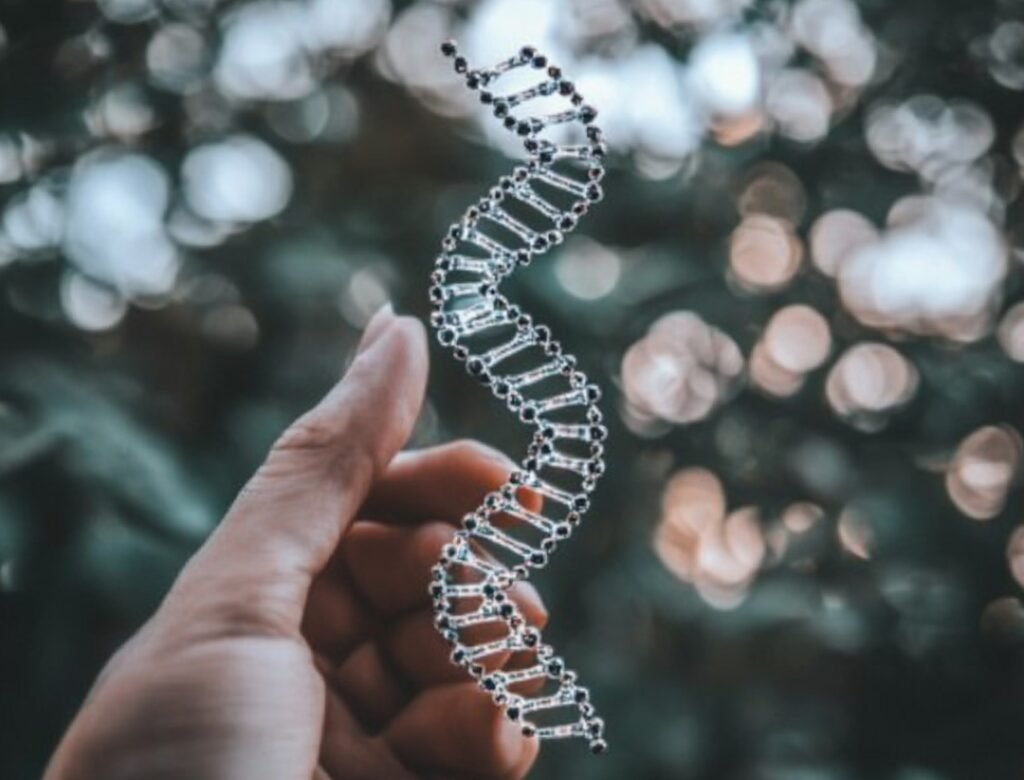
One of the most remarkable applications is the biological age clock. Methylation patterns at specific sites change so predictably with age that researchers can estimate a person’s biological age from a blood or tissue sample.
The best known is the Horvath clock, published in 2013 by Steve Horvath, then at the University of California, Los Angeles. It estimates age from methylation at 353 sites and works across many tissues. Later clocks were trained on health rather than on birthdays. GrimAge, published in 2019, predicts lifespan and the time to heart disease and cancer, even after chronological age is taken into account, and DunedinPACE, published in 2022, estimates how fast a person is ageing.
If the clock can be read, it may also be reset. Partial reprogramming of aged cells has restored youthful gene-expression patterns in animal studies without erasing the cell’s identity.
This is now one of the most actively pursued directions in longevity science. The wider biology of ageing is explored in our articles on telomeres and ageing and senolytics and senescent cells.
A note of caution is warranted, though. Reading the clock is far easier than safely turning it back, and much of the reprogramming work remains in animals or early trials. The hype often runs ahead of the evidence.
The first human test is now under way. In January 2026 the US FDA cleared Life Biosciences to begin testing ER-100, a gene therapy that delivers three reprogramming factors into the eye, in people with glaucoma and a related optic-nerve condition called NAION. The company, which describes it as the first human trial of partial epigenetic reprogramming, reported dosing its first patient in June 2026. The phase 1 study, of about 18 people, is designed to test safety, not to show that anything has been rejuvenated.
Where Epigenetic Medicine Actually Exists
Search the trial registry on 9 October 2026 and epigenetics turns out to be a large, mature clinical field, with 1,641 registered studies, but one tilted heavily towards cancer. Six hundred and seventeen of those studies involve cancer. One hundred and seventy-two involve ageing.
The drug families make the reason obvious. There are 383 registered trials of HDAC inhibitors, which block the enzymes that strip acetyl groups from histones, and 59 of DNA methyltransferase inhibitors, which interfere with the machinery that adds methyl marks to DNA. Both classes work by disrupting an epigenetic process rather than fine-tuning it, and that bluntness is tolerable in cancer treatment in a way it is not in a healthy person.
This is the crucial asymmetry. In a tumour, silenced tumour-suppressor genes are a target: strip the methylation, wake the gene, and the cell may die as it should. In healthy tissue, the same intervention removes marks that are doing necessary work. An epigenome is not a set of errors waiting to be corrected. It is what tells a liver cell to stay a liver cell.
Which is why the anti-ageing side of this field remains, clinically speaking, a measurement exercise. Epigenetic clocks — which estimate biological age from methylation patterns — appear in 50 registered studies. They are genuinely useful research instruments, and they predict population-level outcomes well. But a clock tells you the time; it does not move it. No approved therapy exists that resets a human epigenetic age, and the consumer tests sold on that premise are reporting a measurement whose meaning for one individual is far less settled than the certificate suggests.
A second caution belongs here, about inheritance. The Dutch Hunger Winter studies described earlier are among the most cited in all of epigenetics, and they are compelling. They are also observational, involve a population exposed to extraordinary famine, and cannot fully separate epigenetic transmission from the many other things that pass between generations. Transgenerational epigenetic inheritance is well demonstrated in plants and in some animals. In humans it remains an active, unresolved question — and it is routinely reported as though it were settled.
Rethinking Inheritance
The classical picture of genetics — fixed DNA sequences passed from parent to child — is not wrong. But epigenetics has shown that it is incomplete.
What you inherit is chiefly a DNA sequence. Most of your parents’ chemical annotations are erased and rewritten in the early embryo, with exceptions such as the imprinted genes, whose marks record which parent they came from. Conditions in the womb then add marks of their own.
This does not mean your destiny is written by your parents’ lives. Many epigenetic marks are dynamic and reversible. But it does mean inheritance is far more complex than the simple transmission of a fixed code.
There is also an important scientific caveat. In mammals, most epigenetic marks are wiped and reset between generations, so the extent of true transgenerational inheritance in humans remains genuinely debated rather than settled.
Much of this regulation operates through the non-coding regions of the genome once dismissed as junk, a theme explored in our article on decoding the dark genome with AlphaGenome.
The implications reach into public health. If poverty, trauma, and toxic stress in pregnancy and early childhood leave lasting epigenetic marks, then the effects of social inequality are not only behavioural — they are molecular.
That reframes how we think about early intervention, and about the long-term costs of failing to address adverse conditions early in life. For the foundations, see our complete guide to DNA.
Fourteen Generations: The Worm That Remembered
The nematode worm C. elegans is one of the most studied organisms in biology — a tiny transparent creature whose adult hermaphrodite has exactly 959 body cells and a fully mapped nervous system. It is also, it turns out, capable of transmitting epigenetic information across an extraordinary number of generations.
In a 2017 study in Science, researchers at the Centre for Genomic Regulation in Barcelona raised worms at warmer-than-usual temperatures, which switched on a normally silent, repetitive stretch of inserted DNA. They then returned the worms’ offspring to normal temperatures and watched how long the change would persist. The answer was startling: after a single warm generation, the change lasted seven generations raised in normal conditions. When five generations were kept warm before the return to normal, it persisted for fourteen. It passed through both eggs and sperm and travelled with a chemical mark on the histone proteins around which DNA is wound.
Fourteen generations of worms that had never experienced warmth, still carrying a mark triggered by it. The researchers suggested the worms may be transmitting a memory of past conditions to help descendants predict their likely future environment — a kind of biological foresight built from ancestral experience. It is among the longest-lasting inherited responses to an environmental change ever recorded in an animal.
The worms can inherit hunger, too. In 2014 Oded Rechavi’s group at Tel Aviv University showed that starving young worms produced small RNA molecules targeting genes involved in nutrition, and that these RNAs were passed on for at least three generations. The great-grandchildren of starved worms lived longer than those of well-fed ones.
The same lab later found a built-in eraser. In 2021 it reported that stresses such as starvation, heat and salty conditions reset the worms’ inherited small RNA responses, wiping the slate clean. Inheritance of this kind, it seems, is designed to fade when conditions change.
The Mouse That Was Born Afraid
In 2013, researchers at Emory University ran an experiment that would become one of the most cited and debated studies in the history of epigenetics. They trained male mice to associate a specific scent — acetophenone, which smells of cherry blossom — with a mild electric shock. The mice quickly learned to fear the smell, freezing in alarm whenever they caught it.
Then the researchers bred these mice and waited. The offspring — who had never smelled acetophenone, never received a shock, and never met their fathers — showed heightened sensitivity and a pronounced fearful response to that specific scent. Not to other scents. To that one. Pups conceived by IVF from the fathers’ sperm, and pups raised by unrelated mothers, showed it too, which points to something carried in the sperm rather than learned. A third generation, the grandchildren of the original mice, showed the same elevated sensitivity.
Brain analysis revealed more of the nerve cells that detect acetophenone, with enlarged clusters where those cells connect in the brain’s smell centre. In the sperm of the trained fathers, and of their sons, the gene for the acetophenone receptor carried less methylation than normal. What crossed the generational boundary was not memory in any conscious sense. It was something more fundamental: a biological readiness to respond to a specific threat a previous generation had met.
The study has had sceptics from the start. In 2014 the psychologist Gregory Francis argued in the journal Genetics that the experiments were too uniformly successful: with sample sizes like these, real effects should sometimes fail to reach significance, and the chance of every test succeeding was about 0.004. The authors replied defending their statistics, and their group later reported that extinguishing the fathers’ fear before conception removed the effect in the offspring. The result is influential, plausible and still in need of independent replication.
How a Signal Could Cross Generations
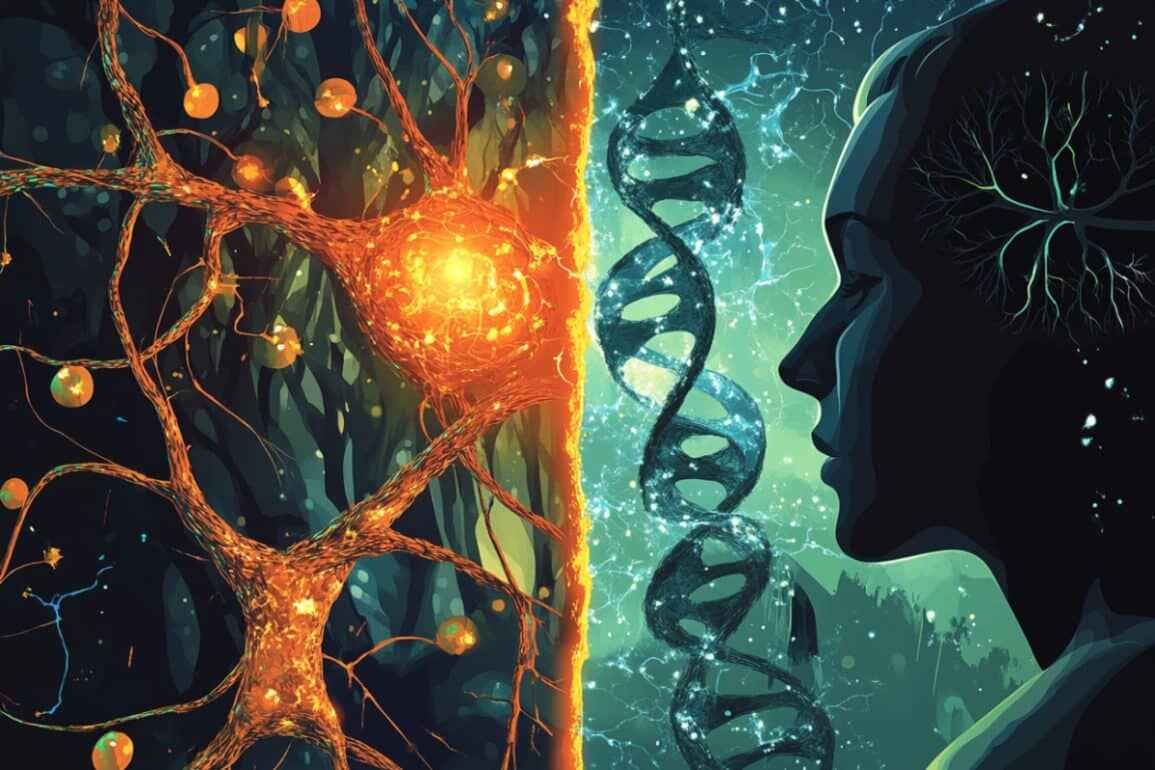
Understanding how epigenetic information crosses generations means understanding how epigenetic marks survive reproduction — a process that, in most organisms, includes a near-complete erasure of those very modifications. When a sperm or egg forms, the genome undergoes epigenetic reprogramming, a broad reset that wipes most methylation marks and returns the genome to a more general developmental state. This is one reason scientists initially doubted transgenerational inheritance was even possible: if the slate is wiped clean, how could anything survive?
One of the clearest mechanistic threads runs through sperm. In 2016 two papers in Science, one led from the Chinese Academy of Sciences in Beijing and one from the University of Massachusetts Medical School, found that a male mouse’s diet — high in fat, or low in protein — changes the population of tiny RNA fragments carried inside his sperm, and that these fragments can reshape the metabolism of his offspring. Most tellingly, when the Beijing team injected the sperm RNAs of overfed males into ordinary fertilised eggs, the metabolic changes followed — strong evidence that the RNA cargo itself carries the signal, rather than merely riding along beside it.
Isabelle Mansuy’s work has shown in mouse models that trauma-induced changes in sperm can produce behavioural and physiological alterations in offspring, including stress dysregulation, depressive behaviours, and impaired glucose metabolism, across multiple generations. In 2014 her group reported that injecting sperm RNA from stressed males into fertilised eggs reproduced those changes, and in 2016 that giving traumatised fathers an enriched environment, with space, toys and company, prevented their transmission.
The Human Evidence: Studies of Inherited Trauma
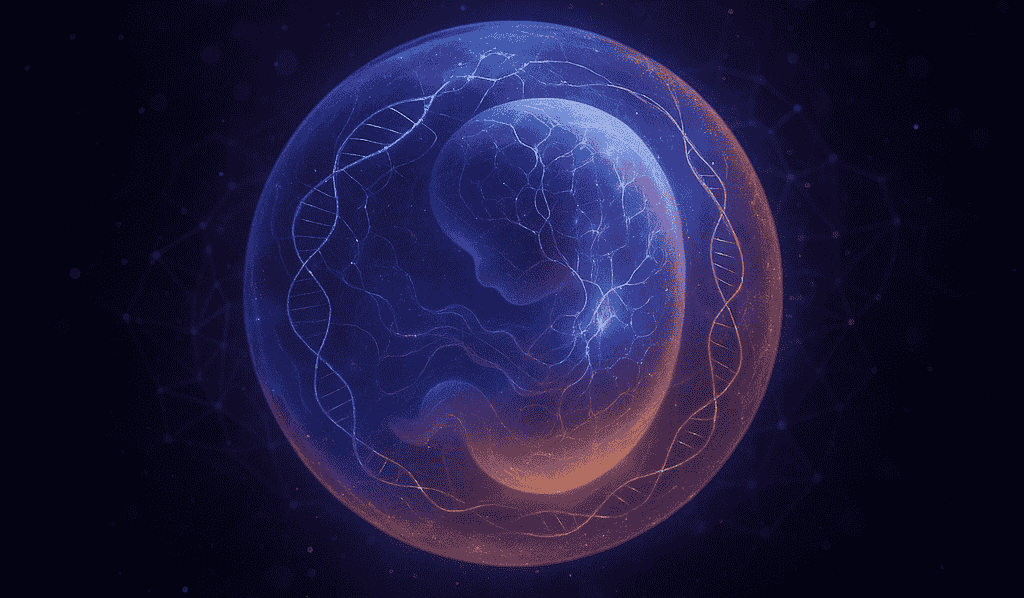
The animal studies are compelling. The human evidence is more personal — and more contested. Among the most studied populations are the descendants of Holocaust survivors. In a study published in 2015, Rachel Yehuda’s group at the Icahn School of Medicine at Mount Sinai in New York measured methylation at one stress-related gene, FKBP5, in 32 survivors, 22 of their adult children and small control groups of 8 parents and 9 children whose families had not lived through the Holocaust.
Exposure was linked to methylation at the same spot in both generations, but in opposite directions: higher in the survivors, lower in their children. The authors called it the first demonstration of an association between a parent’s trauma before conception and epigenetic changes in both parent and child. With control groups of eight and nine people, it is a signal worth following up rather than proof.
The group did follow it up. A 2020 study of 125 adult children of survivors and 31 comparison volunteers replicated the lower FKBP5 methylation in the children. The effect was strongest where the mother, rather than the father, had been exposed, and especially where she had lived through the Holocaust as a child. The authors concluded that this points to the mother’s own development shaping her pregnancy, a route that does not require a mark to survive in the germline at all.
Isabelle Mansuy, a professor of neuroepigenetics at the University of Zürich, describes the field with a hardware-and-software analogy: the genome is the fixed hardware, the DNA sequence; the epigenome is the software, the layer of chemical instructions telling that hardware how to behave. That software, she notes, is changing constantly, in every cell and every moment, responding to everything from chemical exposures to nutritional deficiencies.
In February 2025, a team led by the anthropologist Connie Mulligan of the University of Florida, working with the molecular biologist Rana Dajani of the Hashemite University in Jordan and Catherine Panter-Brick of Yale, published the first study of its kind among Syrian refugees in Jordan. They compared families in which a grandmother had been pregnant during the 1982 attack on the city of Hama, families in which a mother had been pregnant during the war that began in 2011, and families who had left Syria before the violence.
Across 48 families and 131 people, the team found 14 sites in the genome linked to the grandmother’s exposure and 21 linked to direct exposure to violence, mostly shifting in the same direction. Children exposed in the womb also showed signs of faster epigenetic ageing. The design rests on a quirk of biology: a pregnant woman’s unborn daughter already carries the eggs that will become her grandchildren, so those grandchildren were, in a sense, exposed directly as germ cells. That makes this evidence of effects through the germline, not of a memory that survived the generational reset.
An important caveat runs through all of it: establishing causation rather than correlation in humans is profoundly hard. Families share environments as well as genes; parenting is shaped by parental trauma. Separating an epigenetic signal from cultural and environmental transmission demands careful study designs that not all research in this field has achieved, and the scientific community remains divided on how strong and specific the human evidence really is.
Famine and Feast: The Human Historical Record
Some of the most intriguing human evidence comes not from laboratories but from historical archives. In the remote northern Swedish parish of Överkalix, nineteenth-century harvest and food-price records allowed researchers to reconstruct how much food people had during specific childhood years. Following people born in 1890, 1905 and 1920, they found that if a paternal grandfather had enjoyed a surfeit of food in the years before puberty, his grandchildren were about four times as likely to die of diabetes. A later analysis found the effects were sex-specific, running from grandfathers to grandsons and from grandmothers to granddaughters.
A grandfather’s boyhood feast, in other words, seemed to echo in a grandchild’s risk of diabetes and heart disease generations later — a signal written not in the family’s stories but in its biology.
The caveats are large. The analyses rest on a few hundred people, 303 in the 2006 follow-up; food supply was reconstructed from harvest records rather than measured; and no molecular mechanism has been demonstrated. Överkalix is a lead, not a finding.
Why Worms Can and Humans Probably Cannot
The evidence described above does not form a single body of proof. It forms a gradient, and the gradient runs steeply downhill from invertebrates to people. Two obstacles explain why.
The first is molecular. Mammalian development includes two rounds of near-total epigenetic erasure. Shortly after fertilisation the embryo strips most methylation marks from the genome, and again as primordial germ cells form, the cells destined to become eggs and sperm are wiped almost clean. This reprogramming exists precisely to prevent a parent’s acquired epigenetic state from being imposed on their child — it is how a fertilised egg regains the ability to become any cell type. Anything inherited epigenetically in humans must survive being deliberately deleted twice. Worms have no equivalent wipe, which is why fourteen generations is achievable there and would be extraordinary here.
The second is methodological. Human evidence for inherited experience comes from natural experiments — famines, wars, atrocities. These are observational by necessity, and the exposure that reached the grandparent also reached the family it raised. A grandchild’s altered stress response may reflect a mark carried in a germ cell, or a parent raised by a traumatised adult, or poverty transmitted down three generations, or all three. No study design available to human researchers cleanly separates them.
This matters beyond scientific tidiness. The idea that trauma is inscribed in descendants’ DNA has spread far into popular psychology and is frequently stated as established fact. It is not. What is established is that severe adversity has effects that persist across generations — which is true, important, and does not require epigenetic inheritance to explain it. Parenting, poverty, displacement and chronic stress transmit consequences perfectly well through ordinary means.
The scientifically interesting question is not whether ancestral hardship shapes descendants. It plainly does. The question is whether any part of that arrives through the germline rather than through the family — and in humans, that remains open.
What Genetic Memory Does Not Mean
It is worth being clear about the limits, because the topic invites overstatement. Transgenerational epigenetic inheritance is not a revival of the old idea that a lifetime of effort rewrites your genes wholesale. It does not change your DNA sequence at all — the letters of the code stay the same; only the chemical annotations around them shift. And it does not mean your ancestors’ specific memories, in any literal or conscious sense, are stored inside you waiting to be recalled.
The human effects reported so far generally span one or two generations, not the fourteen seen in worms; mammals reset their epigenome far more thoroughly than nematodes do. Much of the human evidence is correlational, and disentangling biology from shared environment and upbringing is genuinely hard. What the science supports is subtler and, arguably, more interesting than the headlines: that experience can bias the settings of the genome, and that some of those settings can, under certain conditions, be inherited.
Even in that careful form, the implication is profound. It means you are not a blank genetic slate, but a living continuation of lives you never knew — carrying, in the quiet chemistry of your cells, faint annotations left by people whose faces you may never have seen. The past, it turns out, does not entirely pass. Some of it is still being read.
What Scientists Say
The 2026 review in ACS Pharmacology and Translational Science describes epigenetics as a transformative field that reveals how gene expression is shaped by internal and external cues, and calls it a cornerstone of modern biomedical research.
In its 2024 report on sequencing RNA and its modifications, the US National Academies argued that mapping every chemical change on human RNA would need a coordinated effort comparable in scope to the Human Genome Project, and set out a roadmap for building the tools to do it.
Much of the recent acceleration stems from single-cell epigenomic sequencing, which maps the epigenetic state of individual cells rather than averaging across millions.
A late-2025 review in Epigenomics noted that this shift, from bulk assays to single-cell, multi-omic investigation, has revealed a level of cellular diversity that was previously invisible.
How to Read an Epigenetics Headline
Because the word sounds like a loophole in genetics, epigenetics attracts more exaggeration than most fields. Four questions sort the solid findings from the oversold ones.
First, was it people or animals? Many of the most dramatic results, including inheritance across several generations, come from worms, plants and mice, whose biology resets marks between generations differently from ours.
Second, which tissue? Most human studies measure methylation in blood, because blood is easy to collect. A mark in a white blood cell does not necessarily tell you what is happening in the brain or the liver, which is why the 2009 stress study had to use brain tissue taken after death.
Third, is it a cause or a record? A methylation difference that travels with smoking or famine may help drive disease, or it may simply be a trace of exposure, the way a tan records sunshine. Experiments like the 2025 globin work, which add and remove a mark and watch what happens, are what turn association into cause.
Fourth, how big is the effect, and how long does it last? Many reported differences are small. Some, like the smoking signature, persist for years; others have not been followed long enough to know. A headline saying a habit “rewrites your genes” has usually skipped all four questions.
Why This Matters
Epigenetics has changed one of the most basic assumptions in biology: that our genes are a fixed script we simply read out. Instead, that script is annotated, edited, and reinterpreted throughout life.
For medicine, this opens the possibility of treating disease by correcting how genes are expressed, rather than rewriting the genome itself — a gentler, often reversible approach.
For each of us, it carries a quietly empowering message. The choices we make and the conditions we live in are in constant conversation with our genes — and that conversation is not over. Your biology is not a verdict; it is a work in progress.
Frequently Asked Questions
What is the difference between genetics and epigenetics?
Genetics is the study of the DNA sequence itself — the inherited code that encodes proteins and traits. Epigenetics is the study of how that code is regulated: which genes are switched on or off, and how that changes with environment and experience. Genetic changes alter the sequence; epigenetic changes alter expression without changing the sequence.
Can epigenetic changes be reversed?
Often, yes. Unlike genetic mutations, epigenetic modifications are dynamic and potentially reversible. Diet, exercise, and stress reduction can influence methylation patterns, and several FDA-approved epigenetic drugs work by reversing the modifications that drive cancer. Whether age-related epigenetic changes can be safely reversed is an active but not yet clinically established area of research.
Do epigenetic changes get passed to children?
That has not been established in humans. The Dutch Hunger Winter studies show that famine experienced in the womb left lasting marks on the people exposed, but that is the effect of direct exposure during development, not of marks handed down through sperm or eggs. In mammals most epigenetic marks are erased and reset in the early embryo. Inheritance across several generations is well documented in plants and some animals; in humans it remains an open question.
What is genetic memory?
Genetic memory is information about past experiences or environments that is encoded in biological material and passed to later generations without direct experience. It spans both innate instincts — survival behaviours encoded over evolutionary time — and transgenerational epigenetic inheritance, in which specific experiences of parents or grandparents appear to influence the gene expression and behaviour of descendants. It is distinct from conscious memory, operating at the level of cellular chemistry rather than neural recall.
Can trauma really be passed down through DNA?
In animals, effects of a parent’s stress can pass to offspring for one or two generations, and in mice the signal has been traced to RNA and methylation in sperm. In humans, studies of Holocaust survivors’ children and of Syrian refugee families have found methylation differences linked to a parent’s or grandparent’s trauma. But the samples are small, and shared environment and parenting cannot be ruled out. Whether any of it travels through the human germline is still unproven.
What is the longest epigenetic memory ever observed?
In a 2017 study using C. elegans nematode worms, a temperature-induced change in the activity of a repetitive stretch of DNA persisted for 14 generations of offspring raised at normal temperatures — among the longest inherited responses to an environmental change recorded in an animal. The researchers proposed that the worms were transmitting environmental information to help descendants anticipate their likely environment.
How does stress affect the epigenome?
Chronic psychological stress, especially in early childhood, is linked to measurable epigenetic changes in genes tied to the stress response, immune function, and inflammation. A 2009 study of brain tissue found more methylation on the glucocorticoid receptor gene in people who had been abused as children. How lasting such changes are, and whether they cause illness or simply record what happened, is still being worked out.
What are epigenetic drugs and how do they work?
Epigenetic drugs modify specific mechanisms — inhibiting enzymes that add or remove methyl groups, altering histone modifications, or blocking proteins that read these marks — to change gene expression in diseased cells. Rather than killing cells like conventional chemotherapy, they aim to reprogram them. More than ten are approved by the US FDA, almost all for cancers, and more than 35 others are in clinical trials.
Further Reading
Sources
- Heijmans, B. T., et al. (2008). “Persistent epigenetic differences associated with prenatal exposure to famine in humans.” PNAS, 105, 17046 (DOI: 10.1073/pnas.0806560105).
- Horvath, S. (2013). “DNA methylation age of human tissues and cell types.” Genome Biology, 14, R115 (DOI: 10.1186/gb-2013-14-10-r115).
- ACS Pharmacology and Translational Science (2026) — The Future of Epigenetics: Emerging Technologies and Clinical Applications.
- Epigenomics (November 2025) — Recent Advances in the Methodologies of Epigenomics.
- National Human Genome Research Institute — Epigenetics and DNA methylation.
- ClinicalTrials.gov — registered epigenetic studies by indication and drug class (retrieved 9 October 2026)
- Tobi et al. — DNA methylation differences after exposure to prenatal famine are common and timing- and sex-specific, Human Molecular Genetics 18, 4046 (2009)
- Joehanes et al. — Epigenetic signatures of cigarette smoking, Circulation: Cardiovascular Genetics 9, 436 (2016)
- McGowan et al. — Epigenetic regulation of the glucocorticoid receptor in human brain associates with childhood abuse, Nature Neuroscience 12, 342 (2009)
- Bell et al. — Removal of promoter CpG methylation by epigenome editing reverses HBG silencing, Nature Communications 16, 6919 (2025)
- Dekker et al. — An integrated view of the structure and function of the human 4D nucleome, Nature 649, 759 (2025)
- Fosslie et al. — Major waves of H2A.Z incorporation during mouse oogenesis and preimplantation embryo development, Nature Communications 17, 210 (2025)
- Kaminskas et al. — FDA drug approval summary: azacitidine (5-azacytidine, Vidaza) for injectable suspension, The Oncologist 10, 176 (2005)
- US FDA — FDA approves revumenib for relapsed or refractory acute leukemia with a KMT2A translocation (15 November 2024)
- US FDA — FDA grants accelerated approval to dordaviprone for diffuse midline glioma (6 August 2025)
- Shiffman et al. — Larsucosterol for the treatment of alcohol-associated hepatitis, NEJM Evidence 4 (2025)
- ClinicalTrials.gov — NCT07428538, phase 3 trial of larsucosterol in alcohol-associated hepatitis
- Lu et al. — DNA methylation GrimAge strongly predicts lifespan and healthspan, Aging 11, 303 (2019)
- Belsky et al. — DunedinPACE, a DNA methylation biomarker of the pace of aging, eLife 11, e73420 (2022)
- ClinicalTrials.gov — NCT07290244, phase 1 trial of ER-100 in optic neuropathies
- National Academies of Sciences, Engineering, and Medicine — Charting a Future for Sequencing RNA and Its Modifications (2024)
Inheritance across generations: research and reporting:
- National Geographic — Can Trauma Be Inherited Through Genes?
- Al-Fanar Media — Epigenetic Imprints of Trauma Inherited Across Generations (2025)
- Biology (MDPI) — Transgenerational Inheritance of Early-Life Stress via Paternal Gametes (Sept 2025)
- OxJournal — Epigenetic Inheritance of Trauma Across Generations: A Review
- Science — Epigenetics and the Evolution of Instincts
- Rechavi et al. — Starvation-Induced Transgenerational Inheritance of Small RNAs in C. elegans, Cell 158, 277 (2014)
- Dias & Ressler — Parental Olfactory Experience Influences Behavior and Neural Structure in Subsequent Generations, Nature Neuroscience 17, 89 (2014)
- Klosin et al. — Transgenerational transmission of environmental information in C. elegans, Science 356, 320 (2017)
- Francis — Too much success for recent groundbreaking epigenetic experiments, Genetics 198, 449 (2014)
- Aoued et al. — Reversing behavioral, neuroanatomical, and germline influences of intergenerational stress, Biological Psychiatry 85, 248 (2019)
- Yehuda et al. — Holocaust exposure induced intergenerational effects on FKBP5 methylation, Biological Psychiatry 80, 372 (2016)
- Mulligan et al. — Epigenetic signatures of intergenerational exposure to violence in three generations of Syrian refugees, Scientific Reports 15, 5945 (2025)
- Kaati, Bygren & Edvinsson — Cardiovascular and diabetes mortality determined by nutrition during parents’ and grandparents’ slow growth period, European Journal of Human Genetics 10, 682 (2002)
- Pembrey et al. — Sex-specific, male-line transgenerational responses in humans, European Journal of Human Genetics 14, 159 (2006)
- Bierer et al. — Intergenerational effects of maternal Holocaust exposure on FKBP5 methylation, American Journal of Psychiatry 177, 744 (2020)
- Houri-Zeevi et al. — Stress resets ancestral heritable small RNA responses, eLife 10, e65797 (2021)
- Chen et al. — Sperm tsRNAs contribute to intergenerational inheritance of an acquired metabolic disorder, Science 351, 397 (2016)
- Sharma et al. — Biogenesis and function of tRNA fragments during sperm maturation and fertilization in mammals, Science 351, 391 (2016)
- Gapp et al. — Implication of sperm RNAs in transgenerational inheritance of the effects of early trauma in mice, Nature Neuroscience 17, 667 (2014)
- Gapp et al. — Potential of environmental enrichment to prevent transgenerational effects of paternal trauma, Neuropsychopharmacology 41, 2749 (2016)
- Shomrat & Levin — An automated training paradigm reveals long-term memory in planarians and its persistence through head regeneration, Journal of Experimental Biology 216, 3799 (2013)
Baryon. (2025, December 9). Epigenetics and Genetic Memory: How Your Environment Shapes Your Genes, and What Can Be Inherited. Web News For Us. https://webnewsforus.com/epigenetics-environment-shapes-gene-expression/
Baryon. “Epigenetics and Genetic Memory: How Your Environment Shapes Your Genes, and What Can Be Inherited.” Web News For Us, 9 December 2025, https://webnewsforus.com/epigenetics-environment-shapes-gene-expression/. Accessed 21 October 2026.

6 Responses