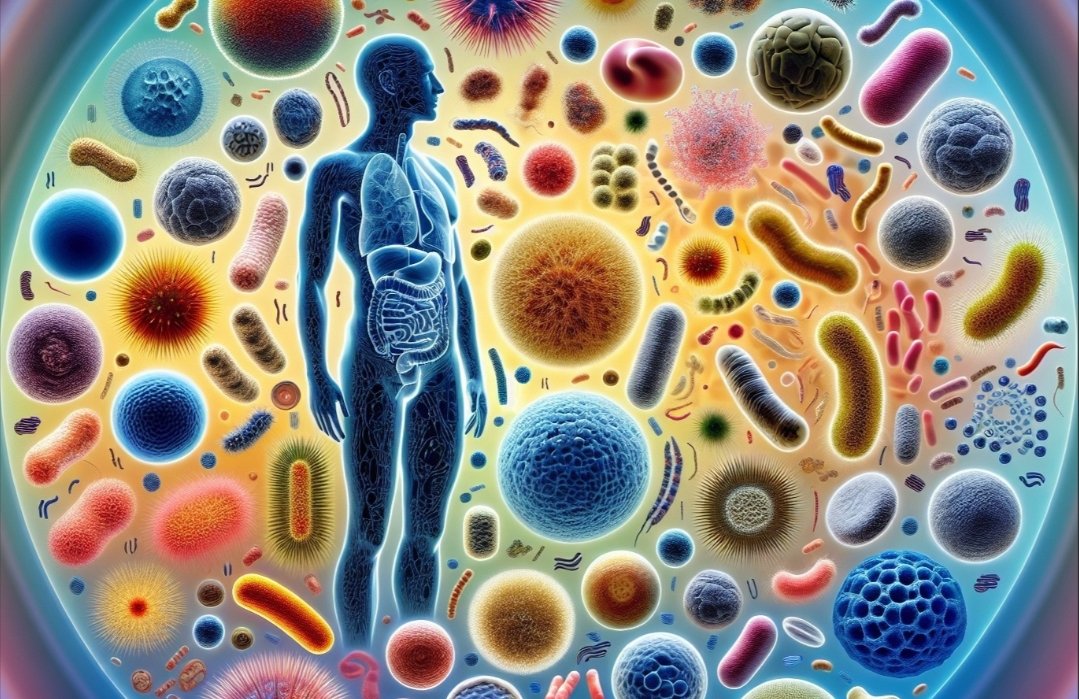
No field in modern biology has been studied harder, or delivered less to the pharmacy, than the human microbiome.
We counted the effort. On 6 October 2026, ClinicalTrials.gov listed 5,581 registered studies involving the microbiome, including 3,177 involving probiotics and 712 involving faecal microbiota transplants. It is one of the largest research programmes in medicine.
Out of all of it, the United States has approved exactly two microbiome medicines. Both treat the same condition — recurrent Clostridioides difficile infection. And both are, in essence, carefully processed stool from screened donors. In September 2026 Europe’s medicines regulator confirmed its refusal of a third, a pooled faecal product for a complication of bone-marrow transplants. Everything else you have read about gut bacteria curing depression, obesity or autoimmunity remains research, not medicine.
In January 2026, researchers at Helmholtz Munich and partner institutions reported a discovery that changed how scientists think about the relationship between your body and the bacteria living inside it. In the journal Nature Microbiology, they showed that about 80 per cent of one large group of harmless gut bacteria, the Pseudomonadota, carry intact type III secretion systems — tiny molecular syringes once thought to belong mainly to pathogens such as Salmonella.
In laboratory experiments, proteins from these commensal bacteria entered human cells and altered immune signalling, including the NF-κB pathway that controls inflammation. The genes for them were more common in people with Crohn’s disease and less common in ulcerative colitis. Whether the same thing happens routinely inside a healthy human gut has yet to be shown, but bacteria may be doing more than breaking down your food.
The human microbiome is the collective term for the trillions of microorganisms — bacteria, viruses, fungi, and archaea — that live on and inside the human body, particularly in the gut. A careful 2016 estimate put the bacteria in a typical adult at about 38 trillion cells, slightly more than the body’s roughly 30 trillion human cells. These microorganisms are not invaders but long-term residents that have co-evolved with us over millions of years. In a very real sense, you are a walking ecosystem — and by cell count, slightly more of you is microbial than human.
What the Microbiome Actually Does
For most of the twentieth century, the gut was understood primarily as a digestive organ, and the microbes inside it as useful but secondary — helpful for breaking down certain fibres and producing a few vitamins, but not central to the body’s major systems. That view has been completely overturned.
Research across the past decade has shown the gut microbiome to be involved in immune function, metabolic regulation, cardiovascular health, neurological development, and mental health. The older claim that microbes outnumber human cells ten to one, still repeated in some reviews, was corrected in 2016: the two are roughly equal.
The mechanisms are multiple. Gut bacteria produce metabolites — chemical compounds — that enter the bloodstream and affect distant organs. They regulate the immune system through direct cell-to-cell signalling. They govern the intestinal barrier, deciding what enters the body and what is kept out. And, as the Helmholtz Munich work suggests, some may inject proteins straight into human cells through molecular syringes — a form of communication scientists are only beginning to decode.
The Second Genome
There is a striking way to grasp the microbiome’s importance. Your own DNA contains roughly 20,000 protein-coding genes. The collective genome of your gut microbes is sometimes called your “second genome”. A landmark 2010 study of 124 Europeans catalogued 3.3 million distinct microbial genes in their guts, about 150 times the human count. By gene count, the genetic toolkit you carry is overwhelmingly microbial, not human.
Those extra genes matter. They give you metabolic abilities your own cells simply lack — the capacity to break down certain complex plant fibres, to synthesise vitamins such as K and several B vitamins, and to manufacture chemical signals that influence organs throughout the body. In effect, evolution outsourced a vast portion of human biochemistry to microbes, and we have been quietly relying on their genes for as long as we have existed. When people speak of “human” biology, they are describing a partnership.
How Your Microbiome Forms
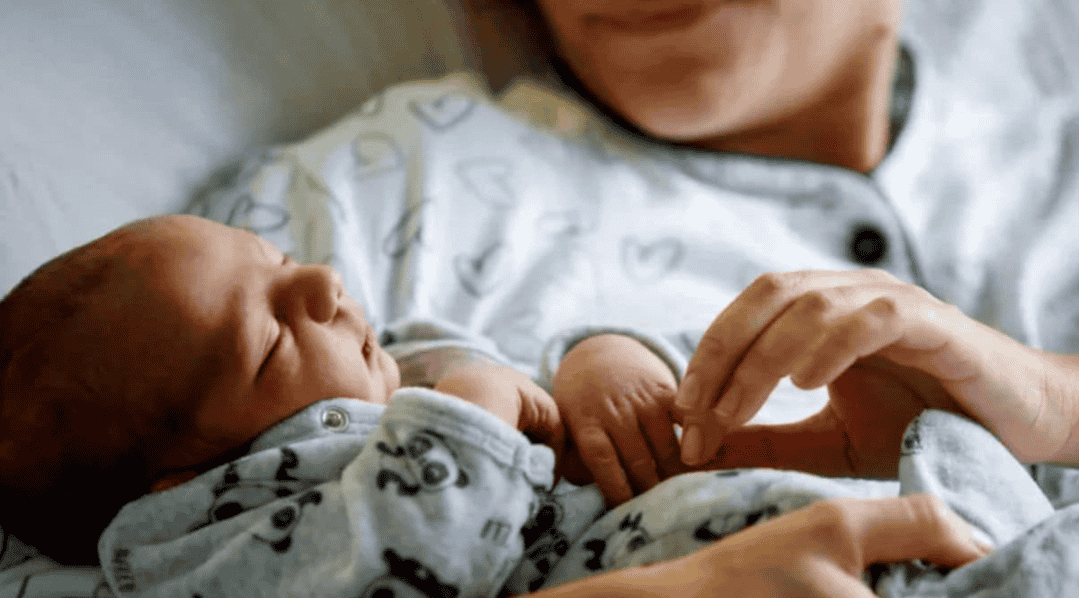
You are not born with a microbiome. You assemble one. A newborn is colonised at birth, and even the mode of delivery leaves a mark — babies born vaginally acquire a different starter community from those born by caesarean section. Breast milk then feeds specific beneficial bacteria, containing sugars that nourish the infant’s gut microbes rather than the infant directly.
Over the first years of life the community diversifies as solid food is introduced, settling into a broadly adult-like state by around age three. From then on it remains individual to you — as distinctive as a fingerprint — yet never fixed, shifting with diet, illness, medication, and age. A single course of antibiotics can reshape it for months, wiping out beneficial species along with harmful ones. Understanding this developmental arc is one reason early-life nutrition and antibiotic use have become such active areas of research.
Not Just the Gut: The Body’s Many Microbiomes
The gut holds by far the largest microbial community, but it is not the only one. Nearly every surface of the body exposed to the outside world hosts its own distinct ecosystem. The skin microbiome forms a living barrier that crowds out pathogens and helps train the immune system. The mouth carries its own complex community, and its disruption has been linked to conditions well beyond the teeth, including cardiovascular disease.
Even the lungs, long assumed to be sterile in health, are now known to carry a modest microbiome of their own, and the vaginal microbiome plays a crucial protective role in reproductive health and in seeding a newborn’s first microbes. Each of these communities is specialised to its niche, and each is being mapped as its own frontier — a reminder that the body is less a single organism than a federation of habitats, each teeming with life.
Dysbiosis: When the Ecosystem Breaks Down
A healthy microbiome is defined less by any single “good” species than by balance and diversity — a rich community whose members keep one another in check. When that balance is disrupted, a state researchers call dysbiosis, the consequences can ripple through the whole body. Dysbiosis typically means a loss of microbial diversity and an overgrowth of less desirable species, and it has been associated with inflammatory bowel disease, obesity, allergies, and several autoimmune conditions.
Its causes are woven into modern life: courses of antibiotics that clear beneficial bacteria along with harmful ones, diets low in fibre, chronic stress, and infection. One consequence under active study is increased intestinal permeability — a weakening of the gut barrier that may allow bacterial products to leak into the bloodstream and stoke low-grade inflammation. The precise role this plays in disease is still being worked out, but it captures the central lesson of microbiome science: when the inner ecosystem falters, the effects are rarely confined to the gut.
The Gut-Brain Connection: More Direct Than Anyone Expected

One of the most striking areas of microbiome research is the gut-brain axis — the two-way communication network linking gut and brain through the nervous system, immune system, and bloodstream. In January 2026 a team including researchers at Northwestern University reported in PNAS that when germ-free mice were given gut microbes from humans, macaques or squirrel monkeys, their brains switched genes on and off differently. Microbes from the two larger-brained species, humans and squirrel monkeys, boosted genes involved in energy production, and human microbes in particular raised genes for the cell’s power plants.
In October 2025 a separate team, writing in Cell Reports, identified two human gut bacteria, Limosilactobacillus mucosae and Ligilactobacillus ruminis, that together can make serotonin. Given to germ-free mice lacking normal serotonin, they raised serotonin in the gut, increased the number of nerve cells in the colon and restored normal transit of food, and people with irritable bowel syndrome had less of one of them. The finding concerns the gut’s own nervous system and bowel function, not mood: serotonin made in the gut does not cross into the brain.
People with depression, anxiety, and autism spectrum conditions do consistently show different gut microbiome compositions from others. Whether those differences cause the conditions, result from them, or interact in a more complex loop is still being investigated.
Much of this signalling travels the vagus nerve, the long nerve connecting gut and brainstem, which carries chemical messages in both directions. The gut is also where most of the body’s serotonin is made, by specialised cells in the gut lining rather than by the microbes themselves; a 2015 study showed that certain gut bacteria switch that production up. It is why the gut is sometimes called the “second brain,” and why a growing field of “psychobiotics” is investigating whether specific bacterial strains could one day support mental health alongside conventional treatment.
The Hidden Bacterium: Cambridge’s 2026 Breakthrough
In February 2026, researchers led from the University of Cambridge published in Cell Host & Microbe what they described as the most comprehensive analysis of the uncultured gut microbiome to date, drawing on 11,115 gut metagenomes from 39 countries, covering healthy people and 13 chronic diseases.
The analysis linked 317 species to particular states of health or disease, and found that bacteria no laboratory has yet grown were overrepresented in healthy people. One genus, known only by the code name CAG-170, stood out: it was the strongest marker of health across many diseases and countries, stable over time, and predicted to make unusually large amounts of vitamin B12. More than 60 per cent of gut species have still never been cultured, so most microbiome research has focused on the minority that can be grown, badly underestimating the gut’s true diversity.
Metagenomics — sequencing genetic material directly from a sample without culturing anything — is now revealing the microbiome’s full scope for the first time. This connects to the AI-powered genomic analysis explored in our article on AlphaGenome and the genome’s dark matter, where machine learning extracts meaning from genetic datasets too vast for conventional study.
The Microbiome and Cardiovascular Health
One of the most significant recent advances was the identification of a specific gut microbial metabolite as a contributor to cardiovascular disease. A 2025 study in Nature found that imidazole propionate, a compound produced by certain gut bacteria, was linked to the extent of atherosclerosis in mice and in two independent human groups. Giving it to mice prone to the disease was enough to cause arterial plaque without changing their cholesterol, by activating immune cells through a receptor called I1R; blocking that receptor prevented it. That makes the molecule both a possible early warning sign and a drug target.
Other 2025 studies showed how gut microbial metabolites modify bile-acid metabolism, affecting fat accumulation and metabolic health. The emerging view is that interventions targeting specific microbial metabolic pathways — rather than the bacteria themselves — could offer a new route to treating conditions including obesity and type 2 diabetes.
Bacteria That Evolve With You
In December 2025, a study in Nature by Richard Wolff and Nandita Garud of the University of California, Los Angeles demonstrated something long theorised but rarely shown clearly: gut bacteria are not static. Scanning about 30 of the most common gut species from 24 human populations, they found more than 300 “selective sweeps”, beneficial genes spreading through bacterial populations, often by horizontal gene transfer between strains. Many involved digesting carbohydrates, and the targets differed between industrialised and non-industrialised populations; one sweep is at a gene involved in breaking down maltodextrin, a starch common in processed food.
This adds a temporal dimension that microbiome science had largely lacked. The microbiome is not a fixed set of species that either helps or harms you. It is a living, evolving ecosystem responding to everything you eat and experience — and it adapts at a speed your own genome could never match. Your bacteria are, in effect, running evolution on fast-forward inside you.
The Microbiome and the Future of Genetics
The microbiome sits at a fascinating intersection with conventional genetics. Advances in gene editing in 2026 are now being applied not only to human cells but to microbial communities, as researchers explore whether targeted modification of gut bacterial genomes could correct imbalances linked to disease. Research published in late 2025 described microbiome engineering — via probiotics, prebiotics, dietary change, and direct genetic manipulation — as one of the most promising therapeutic frontiers in medicine, with clinical trials underway for inflammatory bowel disease, metabolic disorders, and some mental-health conditions.
It also reframes an old question at the heart of genetics — how much of our health is written in the DNA we inherit, and how much in the biological systems that interact with that code across a lifetime. Explored alongside our articles on epigenetics and cancer genetics, the microbiome is one of the most powerful answers — and, unlike the genome you were born with, it is one that is entirely modifiable.
Five Thousand Trials, Two Medicines
The gap between microbiome research and microbiome medicine is the largest of any field covered on this site, and it is worth stating precisely. On 6 October 2026, the public trial registry listed 5,581 studies involving the microbiome, 3,177 involving probiotics, and 712 involving faecal microbiota transplantation.
Against that, two products have reached approval in the United States. Rebyota (fecal microbiota, live-jslm) was approved in November 2022 — the first live biotherapeutic ever approved — and is administered as an enema. Vowst (fecal microbiota spores, live-brpk) followed in 2023 as an oral capsule of purified bacterial spores. Both are indicated for preventing recurrence of C. difficile infection in adults. Both are manufactured from screened human donor stool.
The evidence behind them is solid. In the phase 3 trial that led to Vowst’s approval, published in 2022, 182 patients with repeated C. difficile infections took either the spore capsules or a placebo after antibiotics. Within eight weeks, the infection came back in 12 per cent of those on the treatment and 40 per cent of those on placebo.
That single success is genuinely impressive. Recurrent C. difficile is miserable and sometimes fatal, and restoring a wrecked gut community works where antibiotics repeatedly fail. But notice what it is: replacing an ecosystem that has been catastrophically destroyed, in a condition with an obvious cause and a clear endpoint. It is the easiest possible case for microbiome medicine, and it is the only one that has crossed the line.
Even the obvious next step has proved difficult. A pooled faecal microbiota product called Xervyteg was developed to treat acute graft-versus-host disease, a dangerous complication of bone-marrow transplants in which donor immune cells attack the patient. In September 2026 the European Medicines Agency’s scientific committee, after re-examining its initial opinion, confirmed its recommendation to refuse marketing authorisation.
The harder cases have not. Depression, obesity, autoimmune disease and inflammatory bowel disease all show real, repeatable microbiome associations in population studies. None has produced an approved microbiome therapy. The reason is that association runs in both directions: an altered gut community may be causing the illness, or the illness and its treatment may be altering the gut community. Untangling that requires interventional evidence, which is exactly what 5,481 registered studies have so far struggled to deliver.
This matters for how you read microbiome headlines, and for the supplement aisle. A probiotic sold for mood or immunity is not an approved treatment for either, and the 3,177 registered probiotic studies have not yet changed that. The science is real and the associations are real. The translation into medicine has, so far, happened exactly twice.
What This Means in Practice
The practical implications are beginning to reach the clinic, though the field remains further ahead in the laboratory. Faecal microbiota transplantation — transferring gut bacteria from a healthy donor to a patient — has won regulatory approval for recurrent Clostridioides difficile infection, a serious and sometimes fatal infection that often returns after antibiotics. In the landmark 2013 Dutch trial, 13 of 16 patients (81 per cent) were cured by a single transplant and 15 of 16 after a second, against 4 of 13 (31 per cent) given the antibiotic vancomycin alone.
Transplants are not risk-free. In June 2019 the US Food and Drug Administration warned that two immunocompromised adults who received experimental faecal transplants from the same donor had developed invasive infections with a drug-resistant strain of E. coli, and one of them died. The donor stool had not been tested for those organisms. The agency ordered new screening requirements for all such trials.
Beyond that, clinical trials are investigating microbiome interventions for Crohn’s disease, ulcerative colitis, obesity, type 2 diabetes, Parkinson’s disease, and autism spectrum conditions. Results so far are mixed. The core difficulty is that microbiome composition varies enormously between individuals, so one-size-fits-all interventions are unlikely to work. The future of microbiome medicine is almost certainly personalised — matching treatments to an individual’s specific microbial profile.
Diet: The Most Powerful Lever
If there is one thing the science agrees on, it is that what you eat shapes your microbiome more than almost anything else — and it does so quickly. The single most important ingredient is fibre. Your own body cannot digest most dietary fibre, but your gut bacteria can, fermenting it into short-chain fatty acids such as butyrate. These compounds are not waste products; they are fuel for the cells lining your colon, and they help calm inflammation and maintain the integrity of the gut barrier. A high-fibre diet, in other words, is really a diet for your bacteria — and they repay it.
The reverse is also true. Diets high in processed food and low in fibre are associated with a marked loss of microbial diversity, and research suggests this depletion can compound over time, with each generation inheriting a poorer starting community than the last. Fermented foods — yoghurt, kefir, kimchi, sauerkraut — appear to push in the healthier direction, with studies linking them to greater microbial diversity and lower markers of inflammation. The message is unglamorous but powerful: the most effective microbiome therapy available today is not a supplement but a plate of plants.
The best controlled test of that idea is small but telling. In a 2021 Stanford study, 36 healthy adults were randomly assigned to eat either a high-fibre diet or a diet rich in fermented foods for 17 weeks. The fermented-food group’s microbial diversity steadily rose and several markers of inflammation fell; the high-fibre group’s diversity did not change over that period, though their microbes gained more fibre-digesting genes. A 2026 European review of the wider evidence found that fermented foods generally have modest, and sometimes neutral, effects on health, so the plate of plants is sensible advice rather than a cure.
Conclusion
The discoveries of the past two years — gut bacteria that can inject proteins into human cells, that make serotonin for the gut’s own nerves, that evolve in step with what we eat, that produce a molecule capable of driving arterial disease — all point to a single, humbling conclusion. The boundary between “you” and “your microbes” is far blurrier than anyone imagined. You are not a self-contained individual carrying some passengers. You are a collaboration, a negotiated truce between human and microbial life that has held for millions of years.
There is real wonder in that. The next time you eat a meal, remember that you are feeding trillions of other lives, and that in return they are helping build your immunity, tune your mood, and shape the person you are. To care for your microbiome is, in the end, to recognise a simple and startling truth: you have never been alone in your own body, and you were never meant to be.
What Scientists Say
Alexandre Almeida, who led the Cambridge analysis, argued that the supplement industry is behind the science. “The probiotic industry hasn’t really kept up with gut microbiome research — people are still using the same probiotic species that were being used decades ago,” he said, suggesting that newly identified groups such as CAG-170 could be better targets.
Scientists at the Max Planck Institute for Terrestrial Microbiology and partner universities mapped the chemical-sensing receptors of 20 gut bacteria in a 2025 PNAS study. They identified 25 compounds that specific receptors respond to, from amino acids to indole, with lactate and formate the most common signals, suggesting these are especially important foods for gut microbes. Studies across 2025 and 2026 point to the same conclusion: the gut microbiome is not peripheral to human health but central to it, woven into nearly every major physiological system and responsive to almost everything that defines modern life.
Frequently Asked Questions
What is the human microbiome?
The human microbiome is the collective community of microorganisms — bacteria, viruses, fungi, and archaea — that live on and inside the human body. The gut microbiome, in the large intestine, is the largest and most studied part. A 2016 estimate put the bacteria in an adult body at about 38 trillion cells, roughly equal to the body’s own 30 trillion cells, making the microbiome an integral part of human biology rather than an external addition.
Can you improve your gut microbiome?
Diet has the largest impact. Diets high in fibre — vegetables, legumes, whole grains — support a more diverse, health-associated microbiome, and fermented foods such as yoghurt, kefir, kimchi, and sauerkraut introduce beneficial species. Highly processed diets, excessive antibiotic use, and chronic stress are linked to reduced diversity and loss of beneficial bacteria. These effects can accumulate over a lifetime and, some research suggests, across generations.
What is the gut-brain axis?
The gut-brain axis is the two-way communication network between the gastrointestinal tract and the central nervous system, operating through the vagus nerve, the immune system, and microbial metabolites that enter the bloodstream. Research in 2026 has strengthened evidence that gut bacteria influence brain development and function, produce neurotransmitters including serotonin, and may play a role in mental-health conditions such as depression and anxiety.
What is faecal microbiota transplantation?
Faecal microbiota transplantation (FMT) transfers gut bacteria from a screened healthy donor to a patient, usually via colonoscopy or oral capsule. It is approved for recurrent Clostridioides difficile infection; in a landmark 2013 trial one transplant cured 81 per cent of patients, against 31 per cent for antibiotics alone. Trials in inflammatory bowel disease, obesity and neurological conditions have given mixed results, and Europe refused a faecal product for graft-versus-host disease in 2026.
Are probiotics effective?
The evidence is specific rather than general. Certain strains show consistent benefit for particular conditions — such as Lactobacillus rhamnosus GG for antibiotic-associated diarrhoea and Bifidobacterium infantis for irritable bowel syndrome. But the idea that general-purpose probiotic supplements meaningfully improve health in people without a specific condition is not well supported. The future lies in precision — specific strains for specific conditions in specific individuals — rather than broad-spectrum supplements.
How many microbiome medicines are approved?
Two in the United States, Rebyota (approved November 2022) and Vowst (April 2023), and both prevent recurrence of C. difficile infection using material from screened donor stool. Thousands of other microbiome studies are registered, but none has yet produced an approved treatment for another condition.
Are faecal transplants safe?
Generally, when donors are carefully screened, but not without risk. In 2019 the US Food and Drug Administration reported that two immunocompromised patients given experimental transplants from one untested donor developed infections with drug-resistant E. coli, and one died. Screening rules were tightened afterwards, and the two approved products are made from tested donor material under regulated conditions.
Further Reading
Sources
- ScienceDaily / University of Cambridge — A Hidden Gut Bacterium Linked to Good Health (Feb 2026)
- ScienceDaily / Max Planck — Gut Bacteria Can Sense Their Environment (Feb 2026)
- ScienceDaily / Helmholtz Munich — Gut Bacteria Inject Proteins That Control Immunity (March 2026)
- News-Medical / Nature — Modern Diets Are Driving Rapid Evolution in Gut Bacteria (Jan 2026)
- Gut Microbiota for Health — Key Advances in 2025
- ClinicalTrials.gov — registered microbiome, probiotic and FMT studies (retrieved 22 August 2026)
- Ferring — FDA approval of REBYOTA, first-in-class live biotherapeutic (November 2022)
- Human Microbiome Project Consortium — Structure, Function and Diversity of the Healthy Human Microbiome, Nature 486, 207 (2012)
- van Nood et al. — Duodenal Infusion of Donor Feces for Recurrent Clostridium difficile, New England Journal of Medicine 368, 407 (2013)
- Young, V., Dohai, B., et al. (2026). Effector-host interactome map links type III secretion systems in healthy gut microbiomes to immune modulation. Nature Microbiology, 11, 442 (DOI: 10.1038/s41564-025-02241-y).
- da Silva, et al. (2026). Meta-analysis of the uncultured gut microbiome across 11,115 global metagenomes reveals a candidate signature of health. Cell Host & Microbe, 34, 379 (DOI: 10.1016/j.chom.2026.01.013).
- DeCasien, A. R., et al. (2026). Primate gut microbiota induce evolutionarily salient changes in mouse neurodevelopment. PNAS, 123, e2426232122 (DOI: 10.1073/pnas.2426232122).
- Moretti, et al. (2025). Identification of human gut bacteria that produce bioactive serotonin and promote colonic innervation. Cell Reports, 44, 116434 (DOI: 10.1016/j.celrep.2025.116434).
- Wolff, R. & Garud, N. R. (2025). Gene-specific selective sweeps are pervasive across human gut microbiomes. Nature, 650, 710 (DOI: 10.1038/s41586-025-09798-y).
- Mastrangelo, A., et al. (2025). Imidazole propionate is a driver and therapeutic target in atherosclerosis. Nature, 645, 254 (DOI: 10.1038/s41586-025-09263-w).
- Xu, W., et al. (2025). Specificities of chemosensory receptors in the human gut microbiota. PNAS, 122, e2508950122 (DOI: 10.1073/pnas.2508950122).
- Feuerstadt, P., et al. (2022). SER-109, an oral microbiome therapy for recurrent Clostridioides difficile infection. New England Journal of Medicine, 386, 220 (DOI: 10.1056/NEJMoa2106516).
- US Food and Drug Administration (June 2019). Fecal microbiota for transplantation: safety communication — risk of serious adverse reactions due to transmission of multi-drug resistant organisms. fda.gov.
- Wastyk, H. C., et al. (2021). Gut-microbiota-targeted diets modulate human immune status. Cell, 184, 4137 (DOI: 10.1016/j.cell.2021.06.019).
- PIMENTO Working Group 3 (2026). Health benefits of fermented foods: a strategic roadmap from the PIMENTO initiative. Frontiers in Nutrition, 13 (DOI: 10.3389/fnut.2026.1904521).
- Yano, J. M., et al. (2015). Indigenous bacteria from the gut microbiota regulate host serotonin biosynthesis. Cell, 161, 264 (DOI: 10.1016/j.cell.2015.02.047).
- Sender, R., Fuchs, S. & Milo, R. (2016). Revised estimates for the number of human and bacteria cells in the body. PLOS Biology, 14, e1002533 (DOI: 10.1371/journal.pbio.1002533).
- Qin, J., et al. (2010). A human gut microbial gene catalogue established by metagenomic sequencing. Nature, 464, 59 (DOI: 10.1038/nature08821).
- European Medicines Agency. Meeting highlights from the CHMP, 14–17 September 2026 (Xervyteg re-examination). ema.europa.eu.
- University of Cambridge (February 2026). “Hidden” bugs in our gut appear key to good health, finds global study. cam.ac.uk.
Baryon. (2026, May 9). The Human Microbiome: How the Trillions of Bacteria Inside You Are Reshaping Our Understanding of Health. Web News For Us. https://webnewsforus.com/human-microbiome-bacteria-health-science-2026/
Baryon. “The Human Microbiome: How the Trillions of Bacteria Inside You Are Reshaping Our Understanding of Health.” Web News For Us, 9 May 2026, https://webnewsforus.com/human-microbiome-bacteria-health-science-2026/. Accessed 21 October 2026.

2 Responses