CRISPR is no longer a promise. Since late 2023 an approved CRISPR medicine has been on the market, and in its main trial it ended severe pain crises for 29 of 30 evaluable patients with sickle cell disease. That is the part most coverage gets right.
Here is the part it skips. We queried ClinicalTrials.gov for every registered study involving CRISPR. There are 149. Twenty have been completed. Sixty-three have been terminated, withdrawn, suspended, or have gone silent without their sponsor posting another update. More CRISPR trials have been abandoned than have ever finished.
CRISPR works. Whether it reaches the people who need it is a separate question, and it is the one this article takes seriously.
Since 2012, when the biochemists Jennifer Doudna and Emmanuelle Charpentier showed that a bacterial immune system could be repurposed into a precise molecular tool for editing DNA, medicine has been living through a revolution.
In late 2023 the first CRISPR-based medicine, a therapy called Casgevy, was approved, first in the United Kingdom and then by the US FDA, offering people with sickle cell disease something no treatment had: not a lifetime of management, but a one-time treatment that stopped their pain crises. This is what CRISPR is, how it works, what it has achieved, and why it matters.
What Is CRISPR? The Simple Explanation
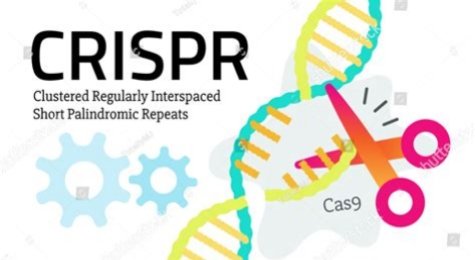
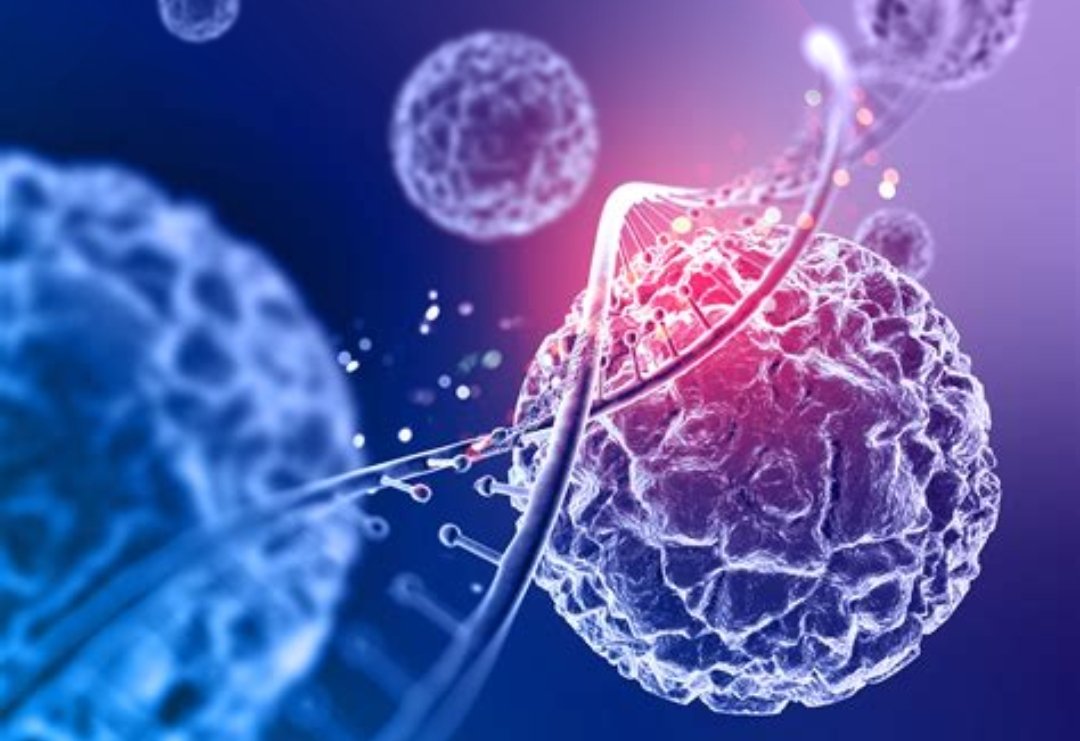
CRISPR stands for Clustered Regularly Interspaced Short Palindromic Repeats. You do not need to remember that. What matters is what it does. Imagine your DNA as a book three billion letters long, and imagine a typo somewhere inside it causing serious harm. CRISPR is a find-and-replace tool for that book: it locates the exact word containing the typo, snips it out, and lets the correct version be written in.
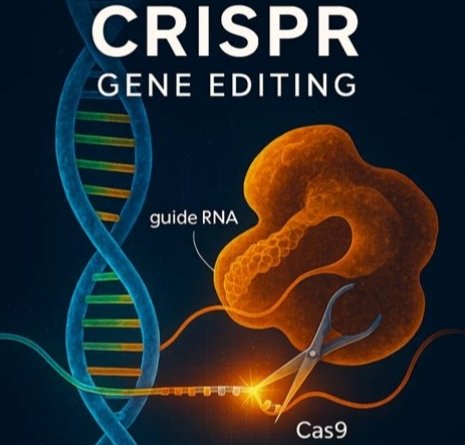
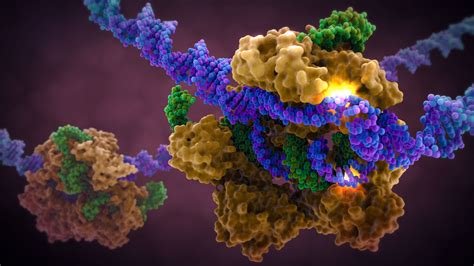
The system has two parts working together. The guide RNA is a short piece of genetic material programmed to match the exact DNA sequence you want to edit — the search function. The Cas9 protein is the molecular scissors: once the guide RNA finds its target, Cas9 cuts both strands of the DNA at that precise spot.
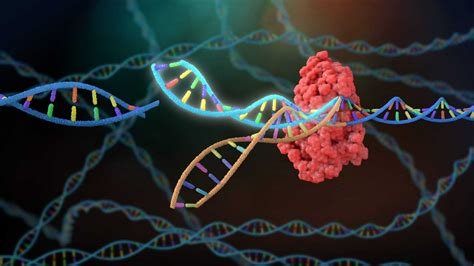
Once the DNA is cut, the cell’s own repair machinery takes over, and scientists can exploit that repair in two ways: disable a gene by letting the cell mend the cut imprecisely, or insert a correct version by supplying a template to copy from. That is essentially it: a GPS for the genome and a pair of scissors. To appreciate what is being edited, it helps to understand DNA itself, the molecule of life.
Where CRISPR Came From: A Bacterial Immune System
The story of CRISPR begins not in a biotech lab but in bacteria — and in a puzzle microbiologists noticed in the late 1980s and spent decades trying to explain. When scientists examined bacterial genomes, they found strange repetitive, palindromic sequences recurring at regular intervals, with unique “spacer” sequences between them. Those spacers turned out to be fragments of viral DNA. Bacteria were keeping a genetic diary of every virus that had ever attacked them.
When a virus matching one of these entries attacked again, the bacterium used the stored sequence to recognise it, produced a matching guide RNA, and sent a Cas protein to shred the invader’s DNA before it could replicate. CRISPR was a bacterial immune memory system, remarkably sophisticated, honed over billions of years of microbial-viral warfare.
Doudna and Charpentier’s insight, published in Science in 2012, was that this system could be reprogrammed. Swap the bacterial virus-recognition sequence for any DNA sequence you choose, and it will cut DNA wherever you want. The 2020 Nobel Prize in Chemistry went to both scientists for the discovery.
CRISPR vs Previous Gene Editing Methods
| Method | Era | Precision | Speed | Main limitation |
|---|---|---|---|---|
| Zinc Finger Nucleases | 1990s–2000s | Moderate | Years | Very hard to design |
| TALENs | 2010s | Good | Months | Complex protein engineering |
| CRISPR-Cas9 | 2012–present | Very high | Weeks | Off-target edits, delivery |
| Base Editing | 2016–present | Exceptional | Weeks | Limited to specific changes |
| Prime Editing | 2019–present | Exceptional | Weeks | Delivery challenges |
| Epigenetic Editing | 2024–present | Exceptional | Weeks | Early stage, reversibility unclear |
The First CRISPR Medicine: Casgevy and Sickle Cell Disease
For people with sickle cell disease, every day is a negotiation with pain. A single misspelled letter in the haemoglobin gene forces red blood cells into a crescent shape that clumps and blocks blood vessels, triggering crises of intense pain, damaging organs and shortening lives. In the United States roughly 100,000 people live with the disease, most of them Black, a group long underserved by medical research.
On 8 December 2023, the FDA approved Casgevy, the first CRISPR-based therapy in history. Developed by Vertex Pharmaceuticals and CRISPR Therapeutics, it works not by fixing the faulty haemoglobin gene directly, but by reactivating a different one — the gene for foetal haemoglobin, a perfectly functional form that is normally switched off after birth. CRISPR edits the patient’s own stem cells to switch that gene back on, and the body begins producing haemoglobin that works.
In the Phase 3 trial in sickle cell disease, published in the New England Journal of Medicine in April 2024, 29 of the 30 patients followed long enough to be assessed were free of severe pain crises for at least twelve consecutive months, and all 30 avoided hospital admission for them. It was the moment gene editing became medicine. The FDA’s approval for transfusion-dependent beta-thalassaemia followed in January 2024.
The New Generation of Gene Editing Tools
CRISPR-Cas9 was a revolution, but it had a limitation: it works by cutting both strands of the double helix, which introduces a risk of unintended changes at the cut site. Researchers set about building versions that were more precise and more versatile.
Base editing, developed by David Liu at the Broad Institute in 2016, uses a disabled version of Cas9 that cannot cut DNA — it only lands on a chosen site. A chemical editor fused to it then converts one DNA base letter to another without cutting the strand at all, correcting the single-letter errors responsible for thousands of inherited diseases with minimal risk of collateral damage. Verve Therapeutics is using base editing in trials to permanently lower LDL cholesterol in patients with inherited heart disease.
Prime editing, also from Liu’s group and published in Nature in 2019, goes further, making any of the twelve possible base-to-base changes plus small insertions and deletions, all without a double-strand break. It uses a modified Cas9 fused to a reverse transcriptase, guided by an RNA that encodes both the target and the desired edit: a true “search and replace” rather than “cut and paste”.
Epigenetic editing is the newest frontier. Rather than changing the DNA sequence at all, it uses disabled CRISPR proteins to add or remove the chemical tags that switch genes on and off, so its effects may even be reversible. Checked on 29 September 2026, the only registered study using the phrase “epigenetic editing” was a first-in-human trial in a muscle disease, facioscapulohumeral muscular dystrophy.
For how these chemical switches shape us, see our article on epigenetics: how your environment shapes the way your genes work, and for the wider field see gene editing in 2026.
What CRISPR Is Targeting Now
Blood disorders were the first proving ground, partly because blood stem cells can be edited outside the body and returned. But the pipeline has expanded dramatically.
Cancer. CRISPR is being used to engineer CAR-T cell therapies: immune cells edited to recognise and attack a patient’s cancer. The full picture is in our guide to the genetics of cancer.
Transthyretin amyloidosis. Phase 3 trials are underway for NTLA-2001, now named nexiguran ziclumeran, developed by Intellia Therapeutics, which uses in-vivo CRISPR to silence the TTR gene in the liver — the source of the misfolded protein that accumulates in organs in this progressive, often fatal disease. It is the first CRISPR therapy delivered directly into the body to reach Phase 3, and in 2025 it became the first to have that Phase 3 programme halted on safety grounds, as described below.
The Delivery Problem
The hardest part of CRISPR medicine is often not the editing but the delivery. In ex-vivo editing, cells are removed, edited in the laboratory and returned, as with Casgevy: tight control, at the cost of complexity and expense. In-vivo editing delivers CRISPR directly into the body, far simpler for the patient but much harder to aim.
The main vehicles are viral vectors, efficient but limited in cargo and able to provoke immunity, and lipid nanoparticles, the fatty bubbles made famous by mRNA vaccines, which excel at reaching the liver. Extending safe delivery beyond the liver and blood to the brain, muscle and other tissues is one of the field’s central engineering problems.
The Ethical Questions CRISPR Cannot Avoid
In November 2018, a Chinese researcher named He Jiankui announced that he had used CRISPR to edit the genomes of human embryos that were implanted and born as twin girls, claiming to have edited the CCR5 gene to make them resistant to HIV. The scientific community’s reaction was immediate and near-unanimous condemnation. He had crossed a line the field had deliberately agreed not to cross, and he was later sentenced to three years in prison by Chinese authorities.
The problem was not the goal but the method, the timing and the absence of oversight: the safety of such edits had not been established, consent was inadequate, and there was no consensus that germline editing was ever justified. Somatic editing alters the cells of a living patient, affecting only that individual; this is what Casgevy does. Germline editing alters embryos, eggs or sperm, so the changes are inherited by every future generation, and no country has legalised it for reproduction.
A further question concerns equity. The patients who most need Casgevy often have the least access to it, as the section on price below sets out. Who CRISPR’s benefits reach is a question the field must answer alongside its biological ones. For more, see our article on designer babies: the reality and myths of genetic optimisation.
CRISPR Beyond Medicine
Beyond medicine, the SHERLOCK and DETECTR platforms use CRISPR proteins to detect specific DNA or RNA sequences with high sensitivity, and during the COVID-19 pandemic CRISPR-based tests were developed to detect the virus without the equipment PCR requires.
In ecology, gene drives — a CRISPR technology that can spread a genetic change through an entire wild population within a few generations — are being explored against malaria. By spreading a gene that stops female mosquitoes reproducing, a drive could in principle collapse populations of the Anopheles mosquitoes responsible for most transmission. The technology is not yet deployed in the wild, and the ecological implications are fiercely debated — but the possibility now exists in a way it never did before.
What the Trial Registry Actually Shows
Coverage of CRISPR tends to move from one breakthrough announcement to the next, which makes the field look like a steady march forward. The public trial registry gives a fuller picture. On 22 August 2026, ClinicalTrials.gov listed 148 registered studies involving CRISPR, with a combined planned enrolment of about 36,200 participants. Their statuses break down like this:
- Recruiting: 40. Actively enrolling participants now.
- Unknown: 31. The registry’s label for a study whose sponsor has stopped posting updates past its expected completion date.
- Completed: 20. Studies that ran their full course.
- Terminated: 15. Stopped early, after enrolling patients.
- Withdrawn: 14. Cancelled before enrolling anyone.
- Not yet recruiting: 12, active but closed: 8, enrolling by invitation: 5, suspended: 3.
Add the terminated, withdrawn, suspended and unknown together and you get 63 studies — about 43 per cent of everything ever registered. That is three times the number that have been completed. Attrition is normal in drug development, and a withdrawn study is not a scientific failure in itself. But a field described publicly as an unbroken run of triumphs looks quite different when you count what quietly stopped.
The distribution by phase is just as telling. Of the studies that declare a phase, 77 are Phase 1 — the earliest human safety stage — against just four in Phase 2 and eight in Phase 3. The overwhelming majority of CRISPR work in humans is still asking whether an approach is safe at all, not whether it works better than existing treatment.
One further pattern is worth noting because it rarely appears in Western coverage. Sorted by sponsor, the most prolific are CRISPR Therapeutics with 12 registered studies, followed by Chinese PLA General Hospital with nine, then Vertex Pharmaceuticals and Intellia Therapeutics with seven each. A substantial share of the world’s CRISPR trial activity is being run by Chinese hospitals and biotechnology firms, a fact largely absent from the story told in Europe and the United States.
A number is only as good as its date. The figures above were taken on 22 August 2026; re-run a month later, the search returned 149 studies rather than 148, with 20 still completed and 63 still stopped or silent. The attrition was not an artefact of one day’s snapshot.
One figure did move. Between 22 August and 22 September 2026, studies reaching Phase 3 went from eight to ten, and the count held when re-run on 25 September. Among them is Intellia’s treatment for transthyretin amyloidosis, the first large test of editing performed inside the body rather than by removing a patient’s cells, editing them in a laboratory and putting them back. Casgevy takes the second route, which is why it needs chemotherapy conditioning and a specialist centre. In-body editing promises to remove both requirements.
That promise has already met its first serious test. On 29 October 2025 the US Food and Drug Administration placed both of Intellia’s Phase 3 trials on clinical hold, after a participant developed grade 4 elevations in liver enzymes — the most severe grade short of death on the standard scale — together with raised bilirubin. The patient died on 5 November 2025. According to the company’s filings with the US Securities and Exchange Commission, the trial’s principal investigator attributed the death to septic shock following a perforated duodenal ulcer; the patient’s course had also included acute liver injury treated with corticosteroids, and an autopsy supported those diagnoses.
It would be wrong to read that as proof the therapy killed the patient, and equally wrong to read the attribution as an all-clear. A liver signal was visible earlier: in the Phase 1 study, three participants had grade 3 or higher liver-enzyme elevations, which were asymptomatic and resolved without treatment. The FDA lifted the hold on one trial in January 2026 and on the other in March. In August, after analysing more than 600 patient samples, Intellia reported that the highest liver-enzyme elevations occurred in people carrying one particular variant of an immune-system gene, an HLA allele, and said it would give genotyping results to trial investigators and patients.
That sequence of signal, pause, investigation and explanation is what clinical trials exist for. It also shows that the hard questions about editing inside the body concern the immune system of the person being edited, not only delivery.
Medicine for One
In early 2025 a team at the Children’s Hospital of Philadelphia and the University of Pennsylvania did something that had not been done before. An infant had been diagnosed with severe carbamoyl-phosphate synthetase 1 deficiency, a disorder in which the liver cannot clear ammonia from the blood and which kills an estimated half of affected babies in early infancy. The team began at once to build a treatment around the specific variant he carried: a base editor, delivered to the liver in lipid nanoparticles, made for one patient.
After regulatory approval, he received two infusions at roughly seven and eight months of age. In the seven weeks after the first, according to the report in the New England Journal of Medicine in May 2025, he was able to take more dietary protein and his dose of an ammonia-scavenging drug was halved, with no serious adverse events and despite viral illnesses along the way. The authors add that longer follow-up is needed to establish safety and efficacy — a caveat worth keeping, because one patient is an anecdote as far as statistics are concerned, however remarkable.
A Regulatory Answer to the One-Patient Problem
A treatment made for one child runs into an obvious dead end. If a mutation has been seen in one family, no trial of the ordinary kind can ever be run, and no company can recover what it costs to try.
In February 2026 the US Food and Drug Administration published draft guidance proposing a way round this, under the name of a plausible mechanism framework. The idea is to approve the platform rather than the product. In a CRISPR treatment most of the machinery is identical from one patient to the next: the cutting protein, the delivery vehicle, the route of administration, the dose. The part that changes is the guide sequence that aims it at a particular mutation. The draft would let a single trial cover a platform customised for each person treated, provided the genetic cause is understood, the untreated course of the disease is known, and the developers can show both that the intended edit occurred and that the patient improved.
According to the Innovative Genomics Institute, co-founded by Jennifer Doudna, the response from researchers and patient groups has been strongly positive. It is worth being exact, though: this is draft guidance rather than a settled rule, and no therapy has yet been approved through it.
The same review is blunt about the pressure running the other way: venture funding for CRISPR companies has narrowed, pipelines are being cut back and there have been significant layoffs. A regulatory path that makes ultra-rare treatments possible does not, by itself, make them fundable.
Approved, and Out of Reach
Casgevy was approved by the United States Food and Drug Administration on 8 December 2023 for sickle cell disease, extended to transfusion-dependent beta thalassemia in January 2024, and widened to patients aged two and over in July 2026. It is a genuine landmark: the first approved medicine anywhere built on CRISPR gene editing.
It also carries a United States list price widely reported at 2.2 million dollars, before the months of hospital conditioning, cell collection and monitoring that surround the infusion itself. Roughly 16,000 people in the United States were estimated to be eligible at the time of the initial approval.
The arithmetic that follows is uncomfortable. Sickle cell disease is most common in sub-Saharan Africa and India, where the overwhelming majority of the roughly eight million people living with it are found. The treatment also requires apheresis, chemotherapy conditioning and specialist transplant facilities — infrastructure that does not exist in most of the places where the disease is concentrated. A cure priced in millions, requiring a transplant centre, for a condition whose burden falls mainly on low- and middle-income countries, is a solved scientific problem and an unsolved delivery problem.
This is the honest state of CRISPR in 2026. The editing works. The first cures are real and they are approved. The bottleneck has moved from the laboratory to manufacturing, delivery and price — which is a better problem to have than the one the field faced ten years ago, and a much harder one to solve with science alone.
One barrier has moved since this article was first written. On 1 July 2026 the FDA extended Casgevy’s approval from patients aged 12 and over to those aged two and over. Among children aged five to twelve, all eight evaluable patients with sickle cell disease went at least a year without a severe pain crisis, and eight of nine with thalassaemia stopped needing transfusions. It changes who is eligible, not the price or the number of centres able to deliver it.
Where the Next CRISPR Might Come From
CRISPR was not invented. It was noticed: an unexplained repeating pattern in bacterial DNA that took decades to understand. The question for the next generation is whether that kind of noticing can be done faster.
In September 2026 Anthropic, the company that makes the Claude AI models, reported an early answer. Its newly formed life-sciences group gave Claude one instruction — search a vast collection of DNA sequences for interesting new reverse transcriptases, enzymes that copy RNA into DNA — and let hundreds of Claude agents work without further human direction. According to the technical report, the campaign surveyed 1.9 billion protein clusters across 949 agent sessions in 21.5 hours. Of 17 candidate partner-gene families the agents proposed, only three held up as new; the other 14 were rejected as annotation errors, parts of known systems or unrelated neighbours.
The notable result came from outside the brief. One agent, reading raw DNA beside an unusual reverse transcriptase found in large bacteriophages — viruses that infect bacteria — noticed a long run of evenly spaced repeats and flagged it as resembling a CRISPR array. The system, which Anthropic calls ART, for array-associated reverse transcriptases, has three parts: the enzyme, a partner gene beside it and the repeat array. Public RNA data from a phage infecting Staphylococcus bacteria show the array transcribed heavily, and when Anthropic’s scientists — human scientists, the company stresses, who do all of its laboratory work — expressed the system in E. coli, it produced a set of distinct short RNAs. That is the general design CRISPR uses to carry its library of guides.
What ART does is not known. Anthropic says so plainly, and there is no evidence yet that it edits DNA or could be made to. Independent scientists quoted in the coverage drew the same line: ART resembles CRISPR in its architecture, and nothing yet shows it resembles CRISPR in function. Feng Zhang, one of CRISPR’s pioneers, called the repeat arrays “genuinely intriguing” and worth further investigation — the right register, and a long way from a new gene-editing tool.
The most instructive detail is in the technical report rather than the announcement. Anthropic ran the same campaign ten more times. Nearly every run came across the ART genes, and in two the agents followed the lineage up — but none read the DNA upstream of the enzyme, and every one missed the array. The authors put this down to the size of the search and to the agents behaving differently from run to run. Given the ART sequence directly, the most capable models did recognise the array. The ability to spot the pattern is real; an autonomous search that finds it once and misses it ten times running is a demonstration of possibility rather than a dependable method.
The CRISPR revolution began with somebody noticing an oddity nobody had explained. If machines can read DNA at a scale no person can, the bottleneck shifts from looking to checking — the laboratory and clinical work where, as this article shows, the real difficulty always lay.
How Close Are We to a World Without Genetic Disease?
The honest answer is closer than we were, but further than the headlines suggest. CRISPR moved from laboratory to approved medicine in about eleven years, and the pipeline of trials is longer and more varied than at any point in the history of genetic medicine.
The coming decade will bring CRISPR therapies for an expanding range of conditions, ever more capable in-vivo editing, clinical approval for base and prime editing, the first epigenetic-editing trials, and AI-assisted design of editing strategies. Whether we ever reach a world without genetic disease is a question for generations, not years. But for the first time in human history, we hold the tool that makes the question answerable rather than merely askable. For how AI is accelerating this work, see our article on DeepMind’s AlphaGenome, and for the microbial genome living alongside our own, see the human microbiome.
Frequently Asked Questions
What does CRISPR stand for and what does it do?
CRISPR stands for Clustered Regularly Interspaced Short Palindromic Repeats — a natural bacterial immune system repurposed into a gene editing tool. Paired with the Cas9 protein, it finds a specific sequence in a genome and cuts it precisely, letting genes be disabled, corrected, or replaced. It is faster, cheaper, and more precise than any earlier method.
Has CRISPR been approved for use in humans?
Yes. Casgevy, developed by Vertex Pharmaceuticals and CRISPR Therapeutics, was approved by the FDA in December 2023 for sickle cell disease, and by the UK’s MHRA in November 2023 for both sickle cell disease and beta-thalassemia. It is the first approved CRISPR medicine, and many others are in clinical trials.
Is CRISPR safe?
Approved CRISPR therapies have passed rigorous clinical trials for their specific uses, but safety has to be established afresh for each new approach. In October 2025 the FDA paused two Phase 3 trials of an in-body CRISPR therapy after a participant developed severe liver-enzyme elevations; the patient later died, of causes the trial investigator attributed to septic shock after a perforated ulcer, and both trials resumed in early 2026. The main technical concerns remain off-target editing and immune responses. Editing embryos for reproduction is prohibited in at least 75 countries and permitted in none, according to a 2020 survey.
Sources
- Jinek, M. et al. (2012) — A programmable dual-RNA-guided DNA endonuclease in adaptive bacterial immunity. Science 337:816-21.
- Frangoul, H. et al. (2021) — CRISPR-Cas9 gene editing for sickle cell disease and β-thalassemia. NEJM 384:252-60.
- Gillmore, J.D. et al. (2021) — CRISPR-Cas9 in vivo gene editing for transthyretin amyloidosis. NEJM 385:493-502.
- Musunuru, K. et al. (2025) — Patient-specific in vivo gene editing to treat a rare genetic disease. NEJM 392:2235-43.
- US FDA (1 July 2026) — FDA approves first gene therapy for young children with sickle cell disease.
- Intellia Therapeutics — Form 10-Q, quarter ended 31 March 2026 (clinical hold, patient death and hold removals).
- Intellia Therapeutics (6 August 2026) — Second quarter 2026 results (HLA genomic analysis).
- Anthropic (23 September 2026) — Claude discovers a novel enzyme system with CRISPR-like repeats.
- Yoon, P.H. et al. (Anthropic, 2026) — Autonomous AI agents discover reverse transcriptases with tandem repeat arrays. Technical report.
- Innovative Genomics Institute (23 March 2026) — CRISPR Clinical Trials: A 2026 Update.
- ClinicalTrials.gov — registry search for CRISPR, re-run 25 September 2026.
- Casgevy — FDA approval history (sickle cell 2023, beta thalassemia 2024, ages 2+ 2026)
- Innovative Genomics Institute — CRISPR Clinical Trials Update (2024)
- Nobel Prize in Chemistry 2020 — Doudna and Charpentier
- NIH — CRISPR as a Game Changer in Gene and Cell Therapy
- Nature — Genome Editing Collection
- Frangoul, H. et al. (2024) — Exagamglogene autotemcel for severe sickle cell disease. New England Journal of Medicine 390:1649-1662.
Baryon. (2026, January 9). What Is CRISPR? The Gene Editing Revolution That Is Rewriting Human Medicine. Web News For Us. https://webnewsforus.com/what-is-crispr-gene-editing-explained/
Baryon. “What Is CRISPR? The Gene Editing Revolution That Is Rewriting Human Medicine.” Web News For Us, 9 January 2026, https://webnewsforus.com/what-is-crispr-gene-editing-explained/. Accessed 11 October 2026.
2 Responses